Table of Contents
- Introduction
- Understanding Superhero Characters
- Hero vs Anti-Hero
- The Complexities of Superhero Characters
- Genre Spotlight: Superhero Characters in Choose-Your-Own-Adventure Stories
- Conclusion
Introduction
Superheroes are one of the most popular and enduring genres in popular culture. They have been a staple of comic books for decades, and have made a successful transition to the big and small screens in recent years. The appeal of superhero characters lies in their ability to inspire and entertain us, while also providing a sense of escapism.
However, as with any genre, there are certain tropes and conventions that can become tired and predictable over time. This is why it's important to explore the complexities of superhero characters, and to examine the ways in which they can be both heroes and anti-heroes. In this article, we'll take a closer look at superhero characters and the various ways in which they can be portrayed.
Understanding Superhero Characters
Superhero characters are typically defined as individuals who possess extraordinary abilities, often gained through some sort of accident or experiment. They use their abilities to fight crime and protect society from threats both external and internal. The archetypal superhero is characterized by their bravery, selflessness, and unwavering sense of justice.
Superheroes are often depicted as being larger-than-life figures, possessing a range of abilities that make them almost invincible. They may have super-strength, the ability to fly, or the power to manipulate time and space. However, it's important to note that not all superheroes possess these kinds of powers. There are many superheroes who rely on their intellect, training, or special equipment to fight crime.
Also read: Fact Meets Fiction: The Art of Blending History and Storytelling
Superheroes can also be defined by their alter-egos. Many superheroes lead double lives, with their superhero persona being a secret identity that they use to protect their loved ones and maintain a sense of normalcy in their civilian lives. This dual identity is a key part of the superhero genre, and is often used to explore themes of identity and self-discovery.
Hero vs Anti-Hero
When we think of superheroes, we typically think of characters who are heroic and noble. However, there are many superheroes who are more complex and morally ambiguous. These characters are often referred to as anti-heroes, and they have become increasingly popular in recent years.
The key difference between a hero and an anti-hero is that the hero is typically characterized by their unwavering sense of morality and justice, while the anti-hero is more of a rebel who operates outside of the law. Anti-heroes are often depicted as being more flawed and human than traditional heroes, and may have personal demons that they struggle with.
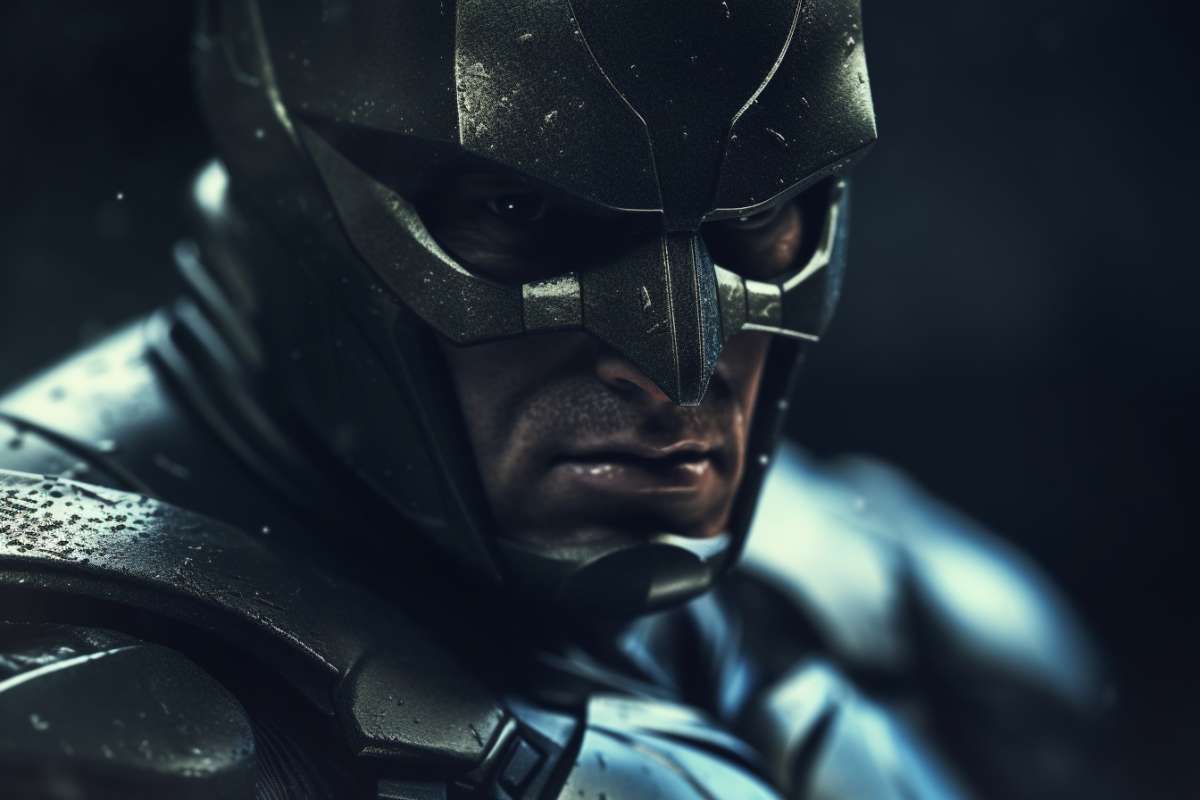
One of the most well-known examples of an anti-hero in the superhero genre is Batman. While Batman is certainly a hero who fights crime and protects Gotham City, he is also a brooding and tortured figure who operates outside of the law. He uses fear and intimidation as his primary weapons, and is willing to go to extreme lengths to achieve his goals. This makes him a complex and compelling character, and one that audiences have been drawn to for decades.
Also read: The Anatomy of Fear: Writing Horror That Gets Under Your Skin
Another example of an anti-hero in the superhero genre is Deadpool. Deadpool is a mercenary who possesses superhuman abilities, and uses his powers to fight crime and seek revenge. However, he is also known for his irreverent sense of humor and his tendency to break the fourth wall. He often acts in ways that are morally questionable, and is not afraid to get his hands dirty.
While heroes and anti-heroes may seem like polar opposites, there are many instances in which a character can embody both traits. These characters are often referred to as "grey" characters, and are some of the most interesting and complex figures in the superhero genre.
The Complexities of Superhero Characters
One of the reasons that superhero characters are so enduring is because they can be used to explore a wide range of themes and issues. Superhero stories are not just about punching bad guys; they can also be used to examine topics like identity, morality, and the nature of power.
For example, the X-Men franchise has long been known for its exploration of themes like discrimination and prejudice. The X-Men are mutants, individuals who possess extraordinary abilities that set them apart from normal humans. As a result, they are often persecuted and feared by society. The X-Men use their abilities to protect humanity, even though they are not always accepted or understood by the people they are trying to save.
Also read: Facing Our Fears: What Makes a Horror Story Truly Terrifying?
Similarly, the character of Spider-Man has long been known for his relatable and down-to-earth nature. Peter Parker is just an ordinary kid who gains superhuman abilities after being bitten by a radioactive spider. However, he still struggles with everyday problems like school, relationships, and finances. This makes him a relatable and compelling character, and one that audiences have been drawn to for decades.
Genre Spotlight: Superhero Characters in Choose-Your-Own-Adventure Stories
Choose Your Own Adventure stories are a perfect fit for the superhero genre. These stories allow readers to take on the role of a superhero and make their own choices about how to navigate the story. This creates a sense of agency and interactivity that is perfect for a genre that is all about empowerment and action.
At Choose Your Adventure, we offer a range of superhero-themed stories that allow readers to step into the shoes of characters like Superman, Spider-Man, and Wonder Woman. These stories allow readers to explore the complexities of superhero characters in a new and exciting way, and to experience the thrill of being a hero firsthand.
Conclusion
The superhero genre is one of the most enduring and popular genres in popular culture. Superhero characters are known for their bravery, selflessness, and sense of justice, but they can also be complex and morally ambiguous. By exploring the complexities of superhero characters, we can gain a deeper understanding of what makes these characters so enduring and relatable. Whether you prefer heroes, anti-heroes, or something in between, there's no denying that the superhero genre has something for everyone.