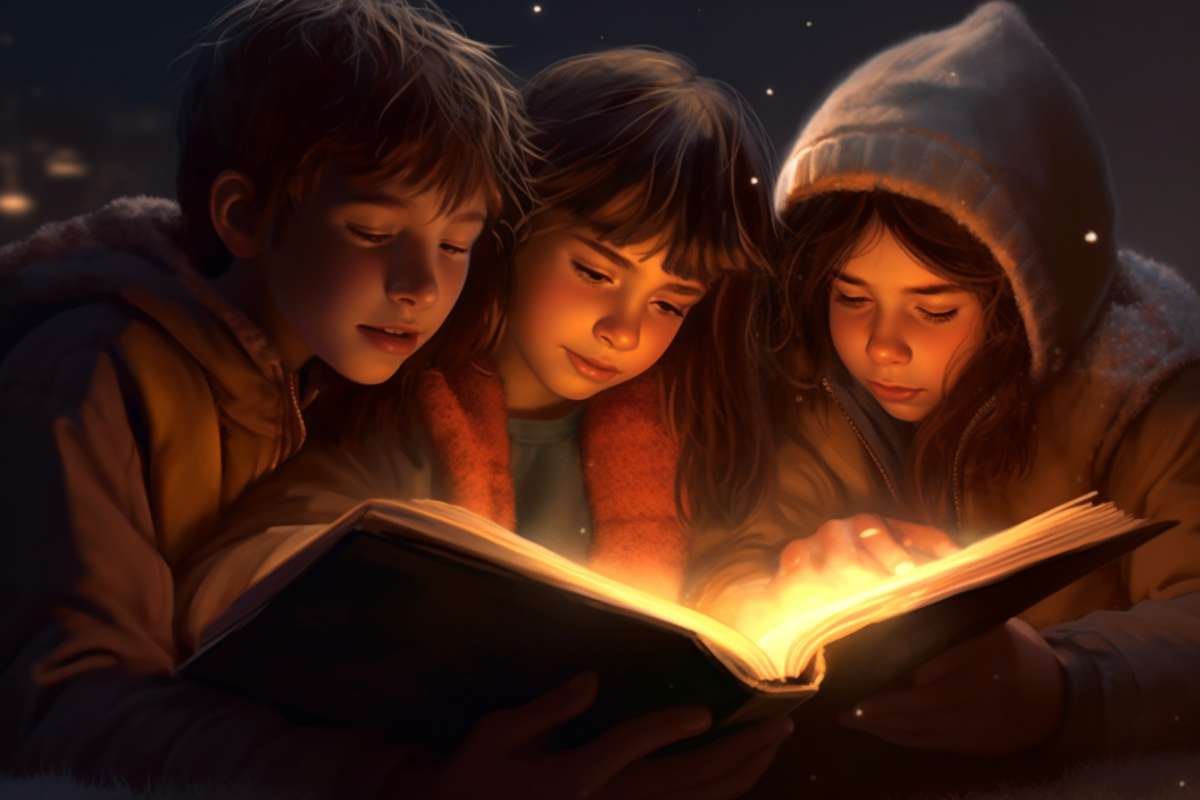
Lessons from Children's Stories: What We Can Learn from Kids' Books
Table of Contents
- Introduction
- The Power of Imagination
- Importance of Values
- Character Development
- The Art of Storytelling
- Conclusion
Introduction
Children's stories have a unique way of engaging their audience and imparting important life lessons in a way that is easily digestible. These stories often have a profound impact on our lives and help shape our perspectives on the world. The lessons learned from children's stories are not limited to kids alone; they hold valuable insights for adults as well. In this article, we explore the lessons we can learn from children's stories and how they can be applied in our everyday lives.
The Power of Imagination
Children's stories are filled with fantastical creatures and imaginary worlds that fuel the imagination. They teach us that anything is possible if we can dream it. These stories encourage us to think creatively and embrace our imagination, something that is often lost as we grow older. The power of imagination helps us think outside the box, come up with innovative solutions and envision a future that is beyond our current reality.
Take the story of Alice in Wonderland, for example. It is a classic tale that takes us on a journey through a magical world where anything is possible. The story teaches us that there are no limits to our imagination and that we can create our reality if we believe in it. This lesson is relevant to both kids and adults, as it encourages us to think creatively and strive for the impossible.
Importance of Values
Children's stories often emphasize the importance of values such as kindness, honesty, and perseverance. These stories teach us the value of empathy and compassion towards others and the importance of doing the right thing, even when it's not easy. The lessons learned from these stories are applicable throughout our lives and can help us become better people.
Also read: The Future is Now: The Influence of Sci-Fi on Technology
The story of The Lion, The Witch, and The Wardrobe is an excellent example of a children's story that teaches the importance of values. The story teaches us the value of loyalty, friendship, and courage. The characters in the story demonstrate these values through their actions, and they become a source of inspiration for the readers.
Character Development
Children's stories often have characters that evolve and grow throughout the story. These characters face challenges and overcome obstacles, which helps them become better versions of themselves. These stories teach us the importance of self-growth and the need to overcome challenges to become the best version of ourselves.
The story of Harry Potter is a prime example of character development. Harry Potter starts as a shy and introverted kid who discovers he is a wizard. Through his journey, he learns to face his fears and overcome adversity, which helps him become a confident and courageous wizard. The lessons learned from Harry's story can be applied to our own lives, and we can learn the importance of self-growth and overcoming challenges.
The Art of Storytelling
Children's stories are a masterclass in the art of storytelling. They have the power to captivate an audience and take them on a journey that leaves a lasting impression. These stories are carefully crafted, with attention given to the plot, characters, and themes. The art of storytelling is not limited to children's stories alone; it is an essential skill for anyone who wants to communicate effectively.
Also read: Fact Meets Fiction: The Art of Blending History and Storytelling
Children's stories teach us the importance of crafting a compelling narrative that engages the audience. The characters in these stories are relatable and have distinct personalities, making them memorable. The stories have a clear beginning, middle, and end, which helps create a sense of closure for the readers.
The story of The Giving Tree is a beautiful example of storytelling. The story is about a tree that gives everything it has to a boy who grows up to become a man. The story teaches us the value of giving and the importance of selfless love. The story is simple yet profound, and it has a lasting impact on the readers.
Conclusion
Children's stories are more than just tales for kids. They hold valuable lessons that can help us become better versions of ourselves. These stories teach us the power of imagination, the importance of values, the need for self-growth, and the art of storytelling. The lessons learned from these stories are applicable throughout our lives and can help us become more compassionate, creative, and courageous individuals.
As writers, we can learn a lot from children's stories. We can learn the art of storytelling, how to create relatable characters, and how to craft a compelling narrative. By incorporating these lessons into our writing, we can create stories that resonate with our readers and leave a lasting impression.
So, the next time you read a children's story, take a moment to reflect on the lessons it teaches. You might be surprised by how relevant they are to your life.