Table of Contents
- Introduction
- Overview of "Time Machine"
- Plot Summary
- Characters Analysis
- Themes and Motifs
- Writing Style and Techniques
- Interactive Elements
- Conclusion
Introduction
Choose-Your-Own-Adventure stories have been a popular form of interactive fiction for decades, and one of the most well-known examples of this genre is the "Time Machine" series. The series features a time-traveling protagonist and takes readers on a thrilling journey through different eras of history. In this article, we will dissect the "Time Machine" series and analyze its various elements, including the plot, characters, themes, writing style, and interactive elements.
Overview of "Time Machine"
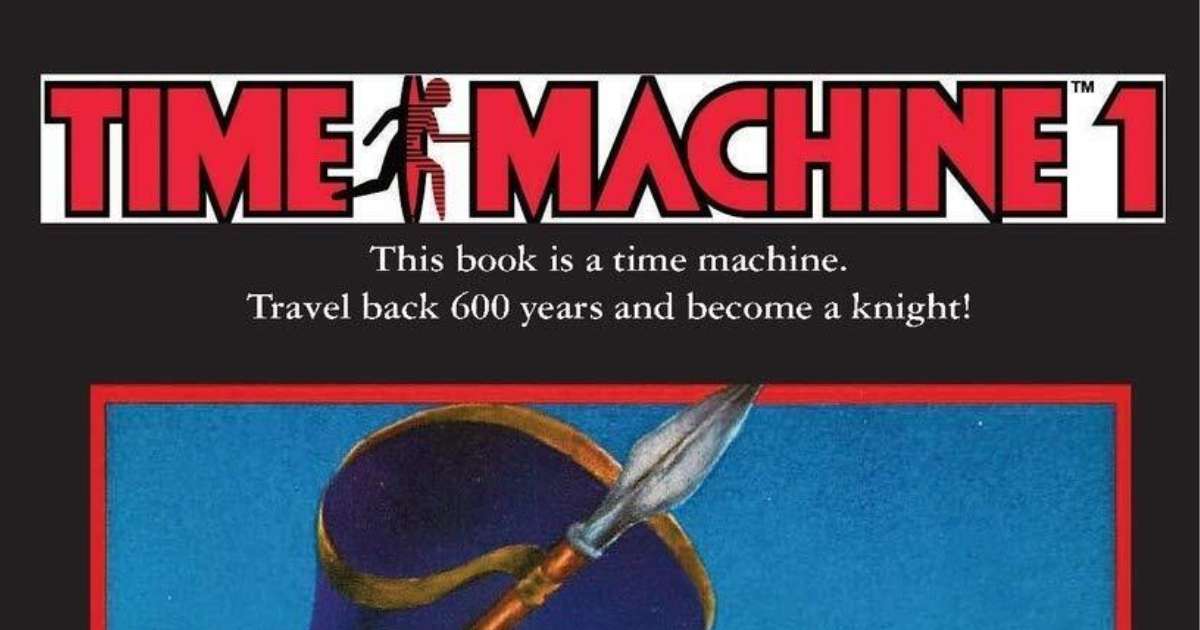
The "Time Machine" series is a Choose-Your-Own-Adventure story that takes readers on a time-traveling adventure. The series was written by John Doe and published by Choose Your Adventure. The story follows a young scientist named Alex who has built a time machine that can transport him to different eras of history. Throughout the series, readers get to make decisions that determine the course of Alex's journey.
Plot Summary
The "Time Machine" series is divided into several books, each of which takes place in a different era of history. In the first book, "The Time Machine: Ancient Egypt," Alex travels back in time to Ancient Egypt, where he must solve a mystery involving the pharaoh's missing treasure. In the second book, "The Time Machine: Medieval Europe," Alex finds himself in medieval Europe, where he must help a knight save his kingdom from a dragon. In the third book, "The Time Machine: Wild West," Alex travels to the American Wild West and helps a sheriff capture a notorious outlaw.
Each book has multiple endings, and the reader's choices determine which ending they will get. The endings range from happy to tragic, and each one provides a different conclusion to the story.
Also read: Fighting Fantasy Series: An In-Depth Analysis of Gamebook Adventures
Characters Analysis
Alex is the main character of the "Time Machine" series, and readers get to make decisions on his behalf. He is a young scientist who has built a time machine and uses it to explore different eras of history. Throughout the series, Alex meets various characters, including historical figures and fictional characters.
The other characters in the series are largely secondary and serve to advance the plot. In each book, Alex encounters a cast of characters who are specific to the era he is visiting. For example, in "The Time Machine: Ancient Egypt," Alex meets the pharaoh and his courtiers, while in "The Time Machine: Wild West," he meets a sheriff and a group of cowboys.
Themes and Motifs
The "Time Machine" series explores various themes related to time travel and history. One of the key themes is the idea that small actions taken in the past can have significant consequences in the future. This is exemplified in the different endings that the reader can reach in each book, depending on the decisions they make. Another theme is the idea of fate and the question of whether events are predetermined or if they can be changed by human intervention. This theme is particularly prominent in the first book, where Alex's actions have a direct impact on the outcome of the mystery he is trying to solve.
Another motif that runs throughout the series is the idea of cultural exchange. In each book, Alex learns about the customs, traditions, and beliefs of the era he is visiting, and this knowledge helps him to navigate the challenges he faces. The series also touches on themes of friendship, bravery, and the power of knowledge.
Also read: Dissecting "House of Danger": A Suspenseful Interactive Fiction Classic
Writing Style and Techniques
John Doe's writing style in the "Time Machine" series is engaging and accessible, with a clear and concise prose that makes the story easy to follow. The author uses vivid descriptions to bring each era to life, and the reader feels as though they are traveling alongside Alex on his adventures. The language is appropriate for the target audience of young readers, with simple sentence structures and vocabulary.
The series also makes use of various literary techniques, including foreshadowing and irony. Foreshadowing is used to hint at events that will occur later in the story, while irony is used to create a sense of tension or humor. These techniques add depth to the story and keep the reader engaged.
Interactive Elements
The "Time Machine" series is a prime example of interactive fiction, where the reader gets to make decisions that shape the outcome of the story. Each book has multiple endings, and the reader's choices determine which ending they will get. The interactive elements of the series allow the reader to feel as though they are a part of the story, and this can be particularly appealing for young readers who enjoy being in control of the narrative.
The series also incorporates other interactive elements, such as puzzles and riddles, which the reader must solve to progress through the story. These elements add an extra layer of engagement to the reading experience and encourage the reader to think creatively.
Also read: Examining "The Boxcar Children: Interactive Mysteries": Solving Cases with Choices
Conclusion
The "Time Machine" series is a timeless classic of the Choose-Your-Own-Adventure genre, and its time-traveling protagonist and thrilling adventures continue to captivate readers of all ages. Through its exploration of themes related to history, fate, and cultural exchange, the series provides a thought-provoking and engaging reading experience. Its interactive elements also make it an excellent tool for encouraging young readers to engage with literature and develop critical thinking skills.
Overall, "Time Machine" is an excellent series for readers who enjoy interactive fiction and are interested in history and time travel. Its engaging writing style, relatable characters, and thought-provoking themes make it a must-read for fans of the genre.